Words that do
your brand justice

Do Words Good is a verbal identity & brand language studio for ambitious brands. We help you figure out what to say, how to say it and then give you the tools you need to make sure everyone (AI included) can write for your brand.
CHECK YOUR AI VOICE READINESS






WHOLE SHEBANG
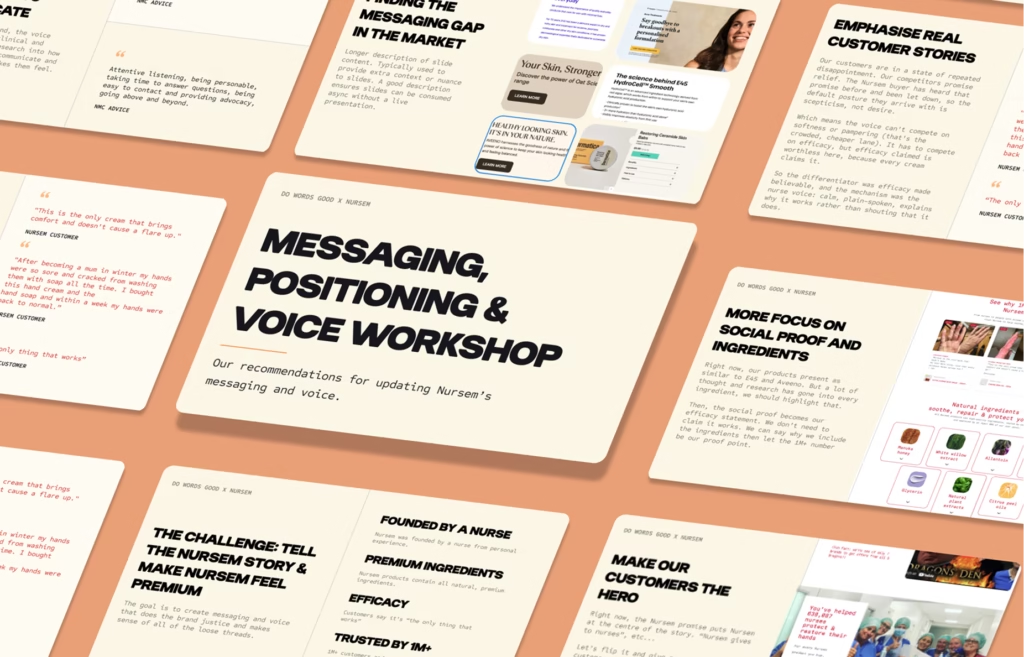
MESSAGING STRATEGY · FULL VERBAL IDENTITY · BRAND VOICE · AI COPYBOTFor brands that need a hand figuring out what to say, how to say it and how to make sure everything they write stays on-brand and on-message. (Even it’s written by AI.)
Starting at £12.5K Learn more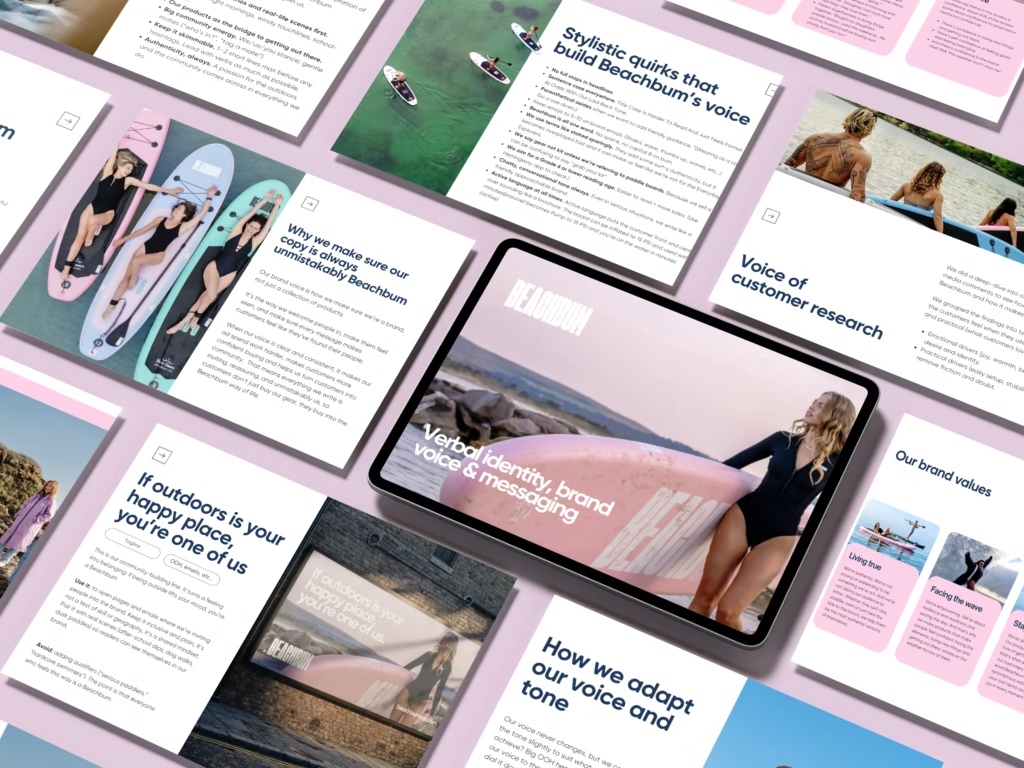
VOICE UPGRADE
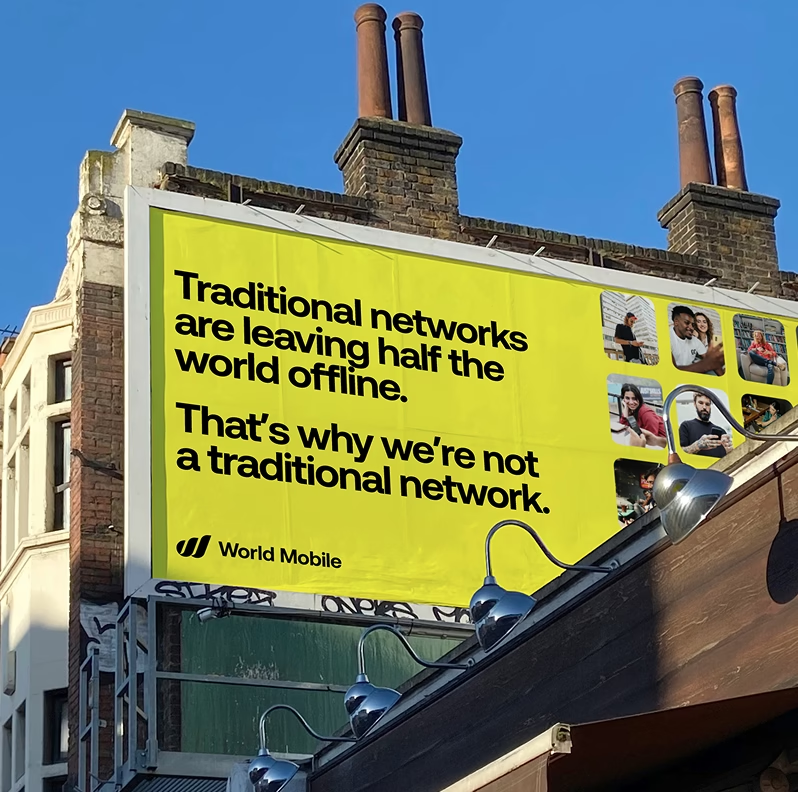
MESSAGING STRATEGY · VERBAL IDENTITY UPDATE · BRAND VOICE · AI COPYBOTFor brands that are adapting or rebranding and need a hand evolving what they to say, how to adapt how they say it and how to make sure everything they write (or your robot co-works write) stays on-brand and on-message.
Starting at £7.5k Learn more
MAKE IT STICK
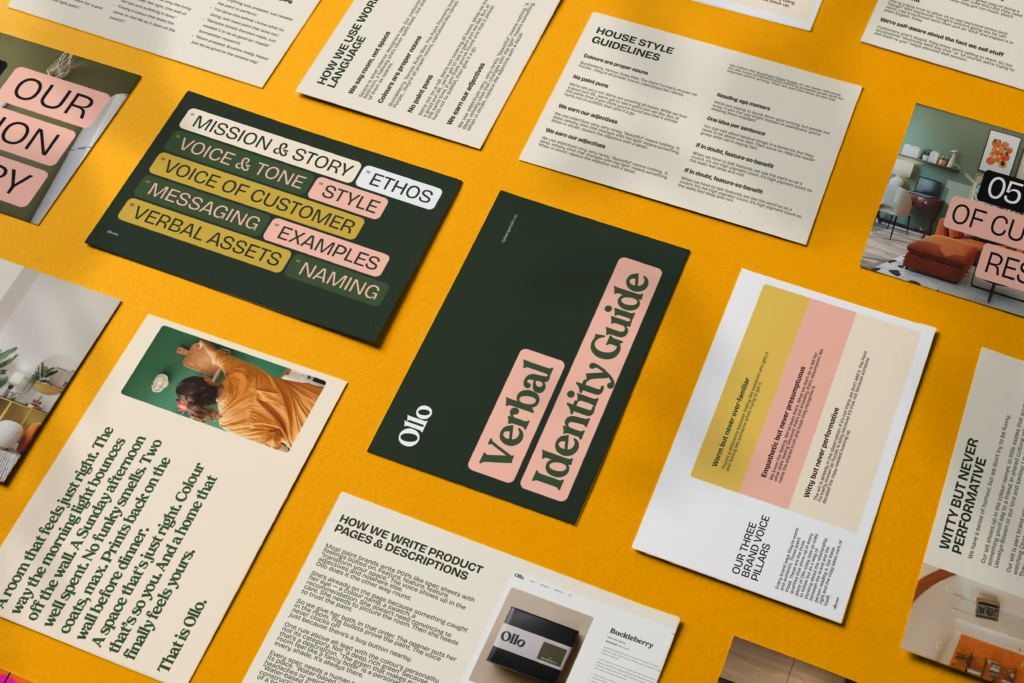
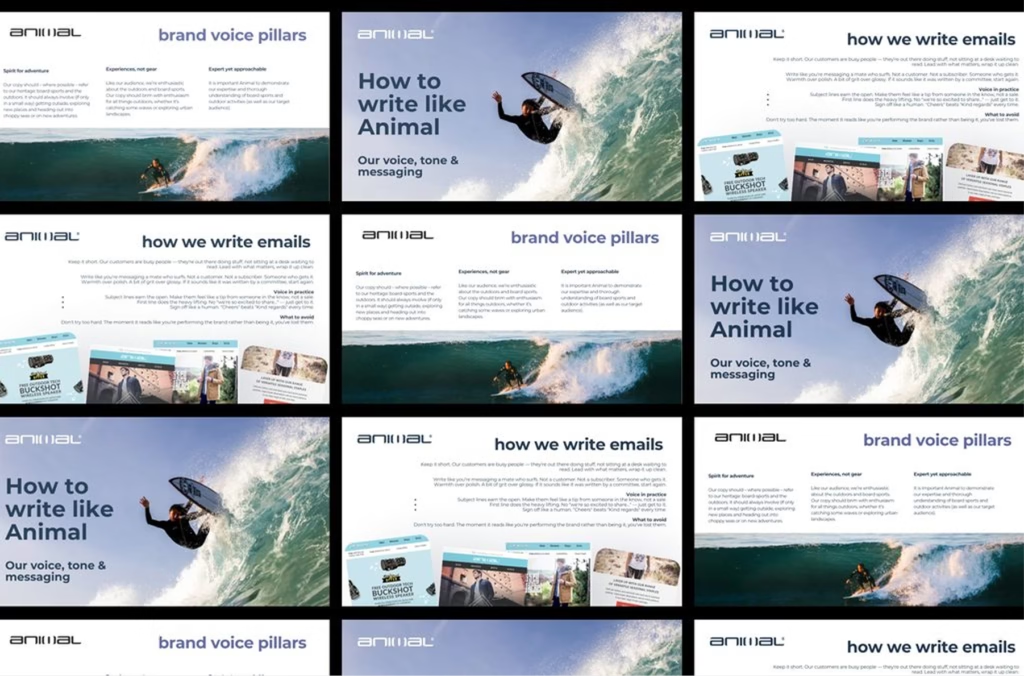
VERBAL IDENTITY DOCUMENTATION · AI COPYBOTFor brands that know exactly what they want to say and how they want to sound, but are struggling to get everyone (people and robots) to stay on-voice and on-message.
Starting at £3.5K Learn more
Do Words Good partners with brands going through knotty messaging challenges. Whether that’s figuring out what to say, how to evolve your messaging or just how to make it stick internally, our blend of strategic thinking, deep understanding of brand language and AI-first thinking helps us create guidelines that are both brand bibles and operational how-tos on writing for your brand.
Work with us >