Do Words Good — Swipe File
dowordsgood.com/copywriting-swipe-file
Overherd
OVERHERD’S PASTICHE CHALLENGER TONE
What's good about it
OK, before we get into this one, we should say that we weren’t 100% sold on this bit of copy when we saw it. (And, to be honest, we’re still not completely, 100% sure now.)
But it did catch our attention and spark a 15-minute back-and-forth between us, so we’re including it anyway.
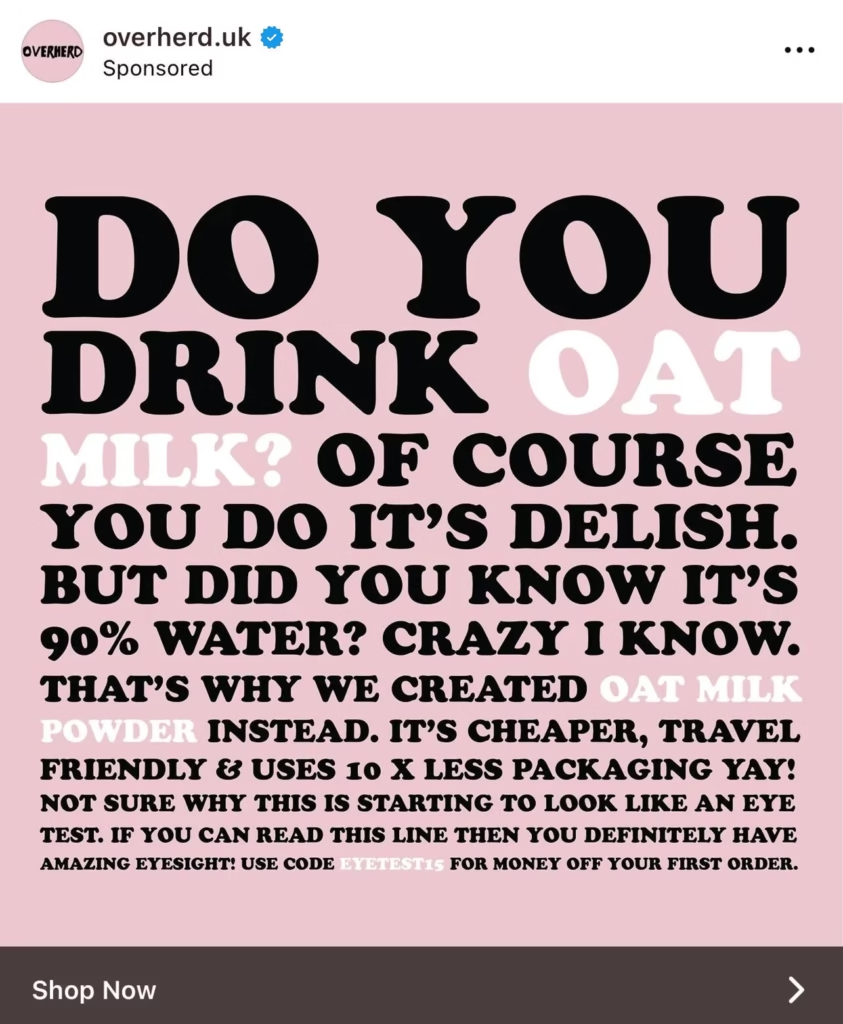
We mean, it's an entirely language-led ad. 4 thumbs up there.
And it's a really good example of a post-modern, anti-marketing voice. Love that too.
And it uses the Effort Heuristic to make the product seem more valuable. Super smart.
So far, all good things. Smashing it.
Exceeeept…
The copy feels very, very, very, very Oatly-coded. And that's the thing our wheels got stuck on.
How to use this for your brand
Is it bad form to straight-up rip off a competitor's tone and voice?
Or is it a clever example of piggyback marketing, where a challenger brand uses the existing positioning of the market leader to say “we’re just like them, but better?”
Ultimately, we landed on the latter, with one minor caveat.
The very deliberate attempt to piggyback off of Oatly’s category voice makes Overherd feel instantly familiar to new customers so they can say “OK, they’re just like Oatly”.
Then it’s off the back of that immediate "I get them" brain-click that they can push their USP of oat milk powder = lighter, less waste.
That’s super clever, because they know that Oatly drinkers are eco-conscious. So piggybacking on their lingo lets them say “We’re everything you like about Oatly, but better.”
Classic challenger brand attitude. Love it.
This is double clever too, because studies also show that positive comparative advertising beats negative. Research consistently shows that negative comparisons — AKA "we're better than the big brands" — generates mental counter-arguing and resistance. However, positive comparisons — exactly like "we're like Oatly but better" — get much higher claim acceptance.
That's not explicitly what Overherd are doing here, but it's kinda the same thing.
It's really clever stuff.
However, the caveat comes from the fact that eating Oatly’s lunch isn’t a long-term strategy. You can’t write in someone else’s voice forever. At some point, Overherd will have to swap the Oatly voice for their own clearer brand identity.
For now though, as first moves go, hijacking the category’s most well known brand voice to tell your “we’re like them but better” story is a pretty tasty bit of brand judo. Kudos.
How to nick this: if you’re a brand that’s just finding your feet, look at your category. Who are the big players? Whose lunch do you need to eat? Who are the brands that you ultimately need to take customers from?
Overherd clearly did their homework. They noticed that Oatly had already trained customers to expect oat-milk brands to sound witty, self-aware, and a bit meta.
So instead of fighting that, they used it as a way to make customers know, like and trust them quicker.
That’s the move to pinch.
How can you use that familiarity to lower friction and get people to try your brand?
Can you borrow familiar language to give you a running start because people “get” you instantly? Or use it to flip their messaging on its head? (Karma Drinks nail this.)
But remember, once you’ve hooked them by borrowing an identity, you'll need to layer in your own quirks, phrases, and brand world view.