Goodrays
GOODRAYS’ CLEVER POSITIONING COPY
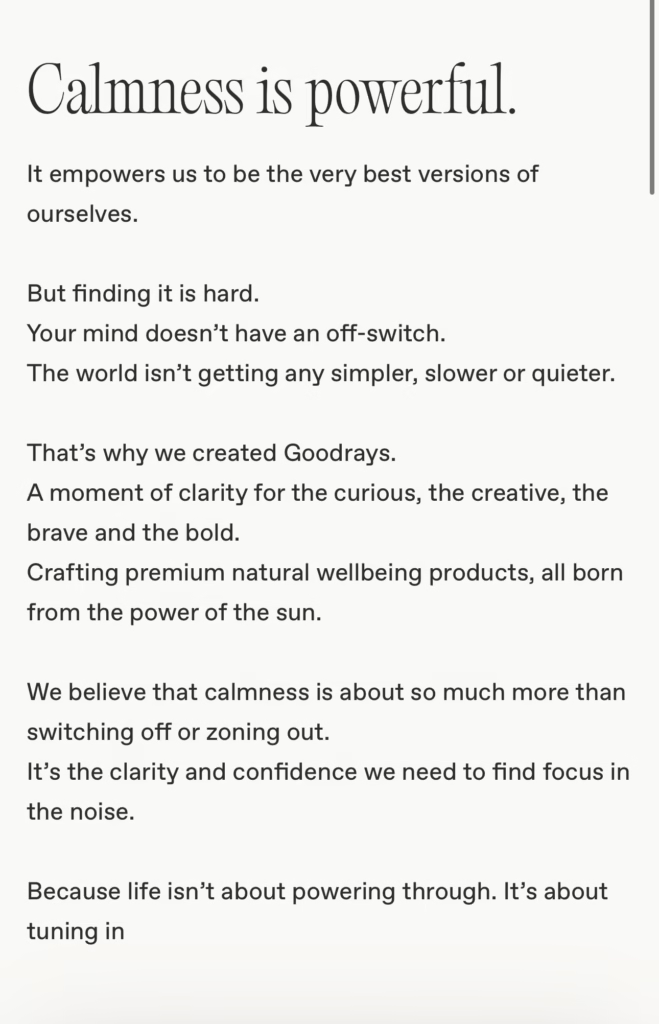
What's good about it
How to use this for your brand
But once you see it in the context of the market, it's clear how clever it is.
Trip, the market leader in CBD drinks, pretty much own the idea of calm. All their copy is about rest and retreat and slowing down. They've even partnered with the Calm app.
Which means that "drink CBD to unwind" messaging is theirs. (Without getting too academic about it, research from the Ehrenberg-Bass Institute shows that brands grow by building their own distinctive mental associations, not by reinforcing the category cues their competitors already own. So if Goodrays said "calm" the same way TRIP does, they're making TRIP more memorable, not themselves.)Which means that Goodrays' messaging is in a bind: when Trip basically own the idea of the core benefit of CBD drinks with their messaging, how does Goodrays cut through?
So they did something properly clever: they've redefined what calm means.
Notice how they’ve kept all the category cues in their copy (calmness, natural wellbeing, premium, nodding to burnout…) but they’re taking them one step further. They’re not just selling calm as their destination. (Which is what Trip does.) They’re selling what’s on the other side of feeling calm: a better you. They’re also weaving in lifestyle messaging too: nods to outdoorsy-ness, creativity, curiosity… and partnering with outdoor and sports brands. That’s wicked smaht too because people buy from brands that feel tailored to them. But most importantly, despite the fact that TRIP and Goodrays both sell CBD drinks and talk about calm, their messaging becomes its own thing entirely. Trip sells unwinding. Goodrays sells taking a beat to go on and have a better day or to smash that climb or to shake off work and hang with your friends. And that twist on the idea of calm lets Goodrays occupy a completely different space in customers' heads. So good.Nick this: before you write a word of copy, try to figure out exactly what the market leader in your category actually owns. Not just what they say, but the mental space they occupy for their customers. What ritual do they own? What mood? What feeling?
Then ask: who are they leaving behind? What version of the category benefit are they not talking about? Where's that gap in their defences? Then, try to build your messaging around that.