KFC
KFC’S ALL-TIMER OF AN APOLOGY
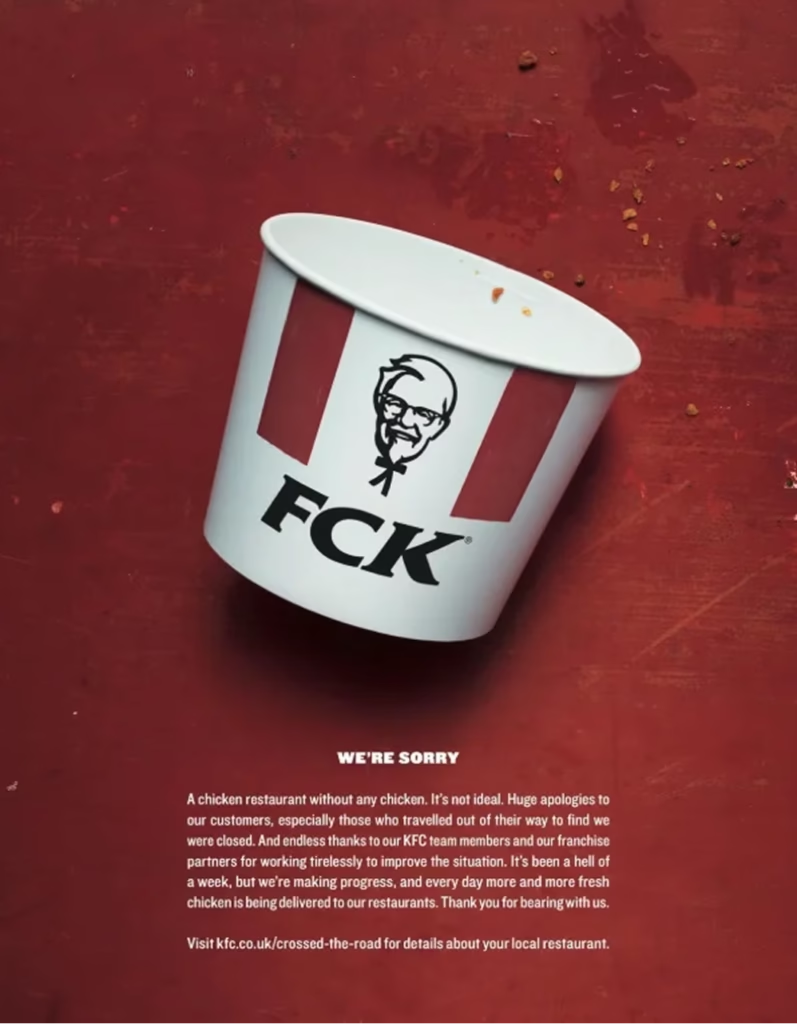
What's good about it
How to use this for your brand
They own it completely. No passing the buck, no "due to circumstances beyond our control." Just a clear apology that takes full accountability. (Eventually.)
They acknowledge the real impact. Not "we apologise for any inconvenience." They get specific to demonstrate that they understand that customers "travelled out of their way to find we were closed." Specificity matters.
They show they're fixing it. Progress updates matter. Customers don't need a solution immediately, they just need to know you're on it.
They're vulnerable and real. No corpo speak here. "It's been a hell of a week" makes this feel like people have written it, not a room of lawyers.They thank everyone. Thanking customers and staff humanises the whole thing and shows genuine remorse. That's the move, especially for bigger brands.
The tone is spot on. KFC are still about the impact, but it's written like an actual person. Not "we will work tirelessly to regain your trust." Just honest, warm, and on-brand throughout.
That last bit is super important. When something goes wrong, it's super natural to hand the comms to legal or customer service so it feels "safe". But all of a sudden, the warm, funny, personality-led brand sounds like every other corporate apology. At best, it gets ignored. At worst, it erodes your brand identity. It makes people think "oh, the way they talk is just a marketing ploy".Research backs this up too. There's something called the service recovery paradox that shows that when a brand handles a crisis quickly, honestly and with heart, customers often end up more satisfied than if nothing had gone wrong at all.
So when something inevitably goes sideways: write your "we messed up" email, your out-of-stock message, your broken-code apology in your actual brand voice, own it and make it right.
(And if you can use humour or a cheeky swearword to diffuse the situation a la The Colonel even better.)