
Why we love this
 Why we love this
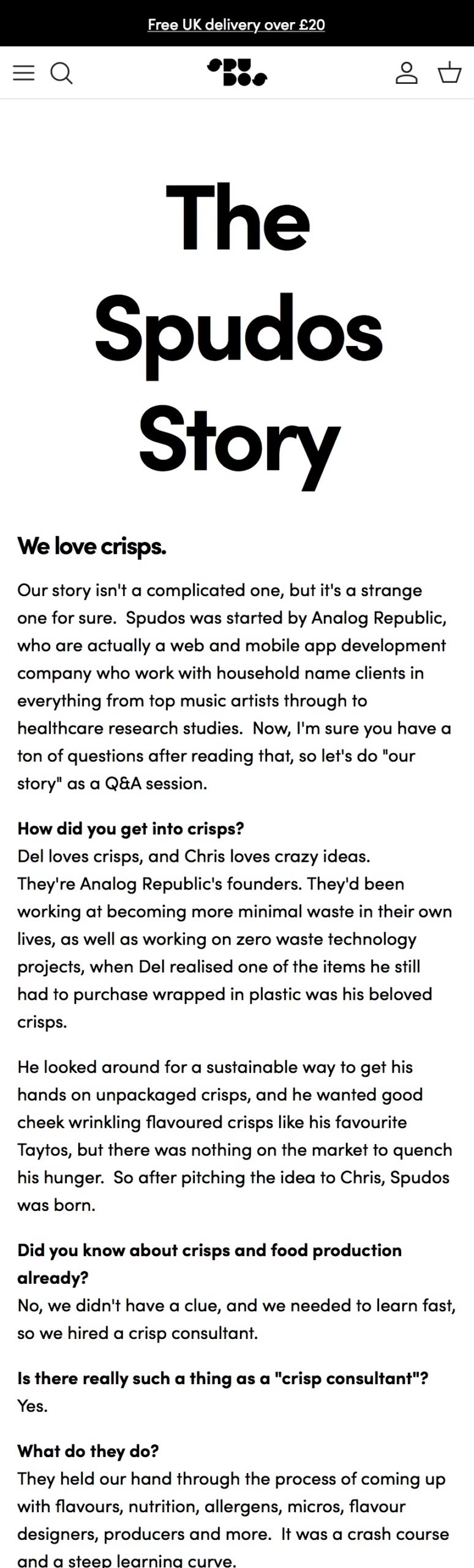
We wanted to include a screenshot of the whole about page here, but it broke the swipe file. So we've included our favourite bit.
(But suffice to say, their whole story page is well worth checking out.)
Properly authentic, honest and endearing founder storytelling. Love it.
Steal this for your brand
Founder journey content has become its own content genre now, replete with its own clichés. The 5am wake-ups. The rejections. The "I almost quit several times but I kept going."
And, don't get us wrong, we love the underdog stories. We're suckers for them.
But sometimes, they have a whiff of inauthenticity. L'eau de exaggeration.
And that's because there's this tendency towards self-congratulation, no matter how well hidden or covered up. It's that storytelling instinct towards following the messy details with a "but then we learned that..." or "then we had the idea to..." that wraps it all up.
They're just too neat when launching and growing a business is messy as hell.
And for a while, we couldn't figure out why this story page was so much better than most founder stories we read. Especially as all the basic ingredients are the same.
(Struggles, early days, growth...)
So we did some digging and we think we've cracked it. It's about vulnerability.
The moment you make that pivot from documenting the struggle to talking about learnings, the reader's relationship to you changes.
You're no longer someone that feels vulnerable that they can root for. You were vulnerable, but you're safe now.
Jubel's story never feels self-congratulatory, even when it probably should.
For example, in 2022, they won Drinks Brand of the Year at the Grocer Gold Awards.
Most brands would say "from our kitchen table to beating Budweiser. It's been a tough journey, but we did it."
Great. Fine. Whatever.
But Jubel say: "little old JUBEL" won the award. There's no pomp or back-patting. It almost reads like they're constantly baffled by their own success.
And again, in 2024, when most brands would say "10M people have enjoyed a Jubel and we're growing 24% YOY", Jubel say that an estate agent complimenting the beer when the founder moved was their highlight of the year.
That's saying the same information (that Jubel is a household name) but in completely different ways.
And research backs this up.
A study by Hagmann, Minson and Tinsley found that personal narratives build trust specifically through perceived vulnerability.
They say that trust in your story is at its highest when your story reveals the hardships rather than triumph.
But a self-congratulatory tone breaks that. It tells the reader the narrator is in control of the story. That they've processed it, packaged it, and are now presenting it from a position of safety.
Jubel's story never feels entirely secure. It never feels like a LinkedIn post. And that's because there's vulnerability in their tone, in the things they're sharing and in their refusal to say "we've cracked it".
That's the move worth stealing.
Your brand story can (and should) have an arc. It can resolve. Obviously, you're allowed to share the wins.
But try to dodge that self-congratulatory tone that sneaks in sometimes.
(Note: it's really hard to write brand stories well. So pinch a few tips from Jubel. Use self-deprecating humour. Share the ugly side of things without turning them into a positive. Stay humble. And, if in doubt, try to write as if you're still that founder that started the brand. Doe-eyed and in awe of what the brand has become.)